

For our tenth anniversary, Michel and I wanted a trip with real variety built in, rugged nature, a walkable city, and a stretch with nothing on the agenda at all. Portugal delivered all three without a single time zone change. Nine days took us from the Azores to Lisbon to Alentejo, and we came home with a long list of notes worth passing along.
The Azores: quiet, green, and cooler than expected
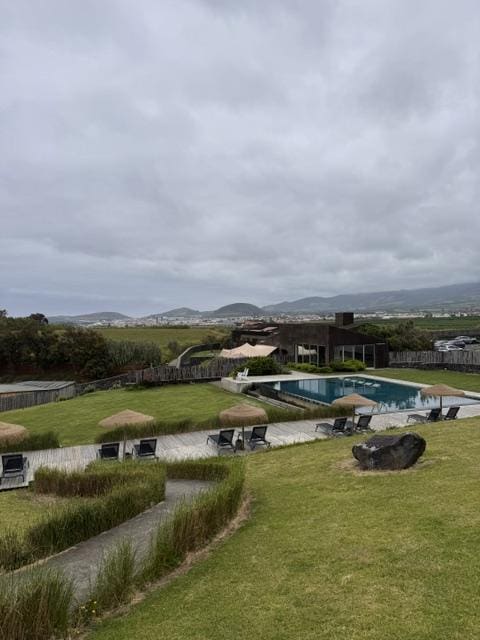
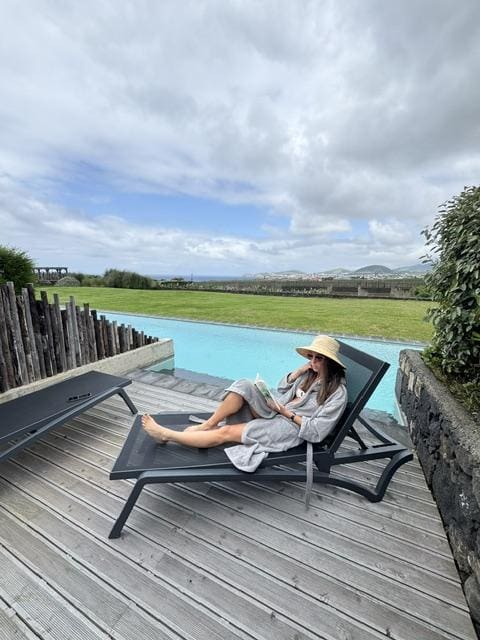
We started on São Miguel, where green hills roll straight down to the Atlantic. We stayed at the Santa Barbara Eco Beach Resort, a hotel that’s designed to sit lightly on the landscape around it. The ocean views from our room, which opened right onto the pool, were some of the best of the whole trip. Worth knowing: it’s a five-star property, but we’d set expectations closer to a strong four-star relative to other luxury hotels. The draw here is the setting, not resort amenities. It’s genuinely isolated and not walkable to town, so it suits travelers looking for a quiet home base rather than a lively one. A beach bar next door, not affiliated with the hotel, has a nice low-key atmosphere.
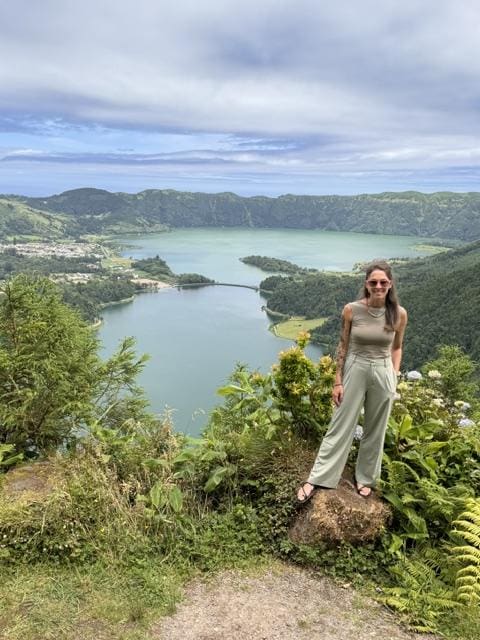
A few things worth knowing before you go:
- July on São Miguel runs mild so pack a light jacket for mornings and evenings.
- Fog is common and can limit visibility, so it’s worth building flexibility into sightseeing days.
- Two days is enough time with a driver-guide to see most of the island; if a client wants more time outdoors, we’d suggest working in a hike rather than a second full day in the car.
- You could easily make this into a longer trip by visiting some of the other islands in the Azores
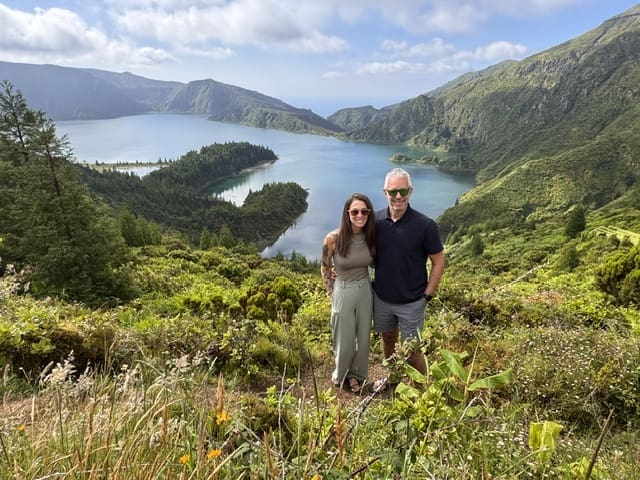
Our guide took us to crater lakes, several lookout points, and through Ponta Delgada, the island’s main town.
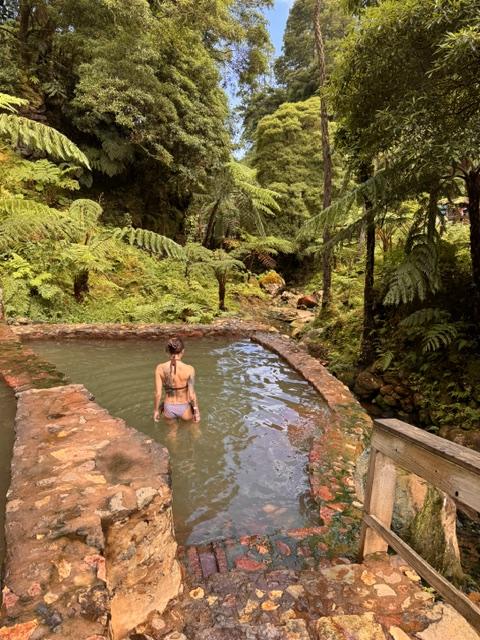
On hot springs: in our experience, it’s worth skipping the pools directly in Terra Nostra Garden. The garden itself is well worth the visit and you can watch mineral water bubble up from the ground but the water there felt closer to a crowded public fountain than a natural soak. Caldeira Velha is the one we’d send clients to instead. Entry is timed, so it never feels overrun, and the surrounding forest gives it a much more natural feel. Several pools at different temperatures make it easy to find a favorite.
One more stop worth mentioning: The Gin Library, a relaxed detour with a well-curated collection and a proper gin and tonic in the middle of the island.
Lisbon: easy to love, and easy to navigate
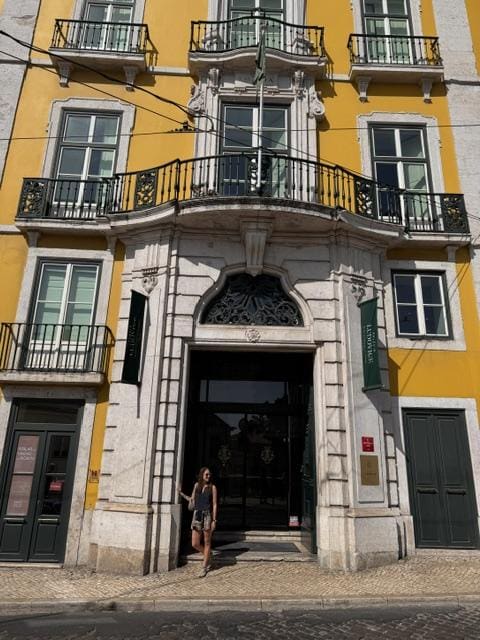
Lisbon may be our favorite European city yet. We based ourselves at Palacio Ludovice, a boutique hotel with a strong design point of view and a location that puts the whole city within walking distance. Our room faced the street, which stayed lively into the evening, but was completely quiet with the window closed.
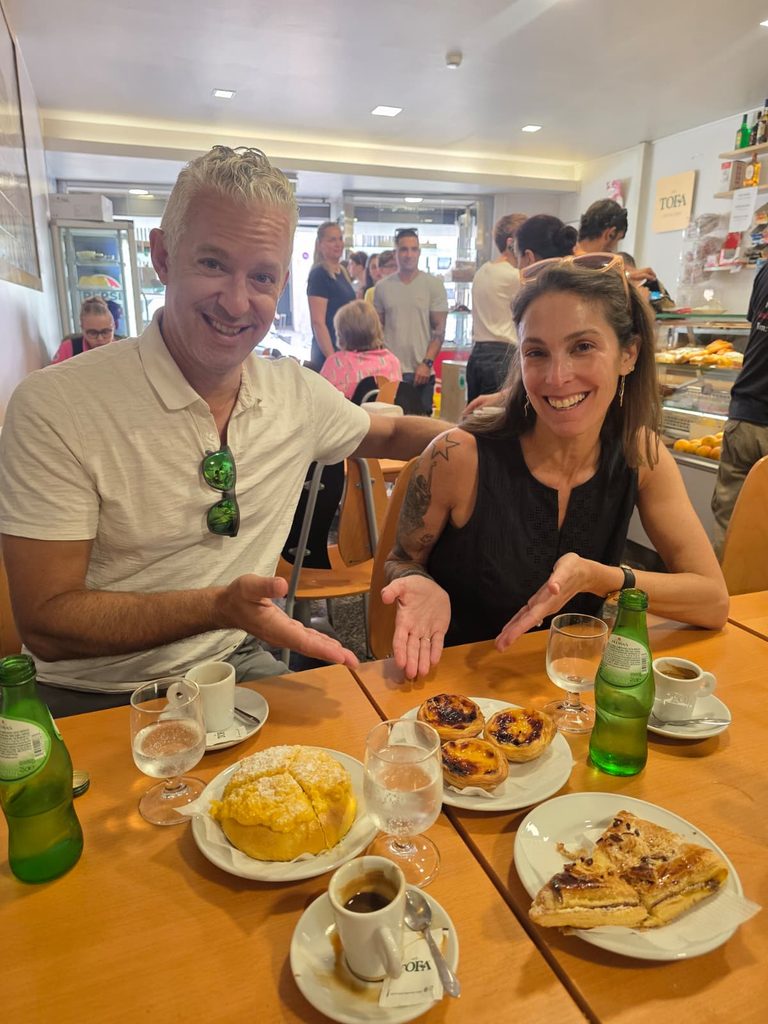
Food is where Lisbon stood out most. We spent a morning with a local food tour guide who knew every vendor by name and moved easily between the city’s history and its current culture, a highlight of the trip.
We also did the Midnight Fado experience. Our guide (also a Fado singer himself), brought us into an intimate space for wine and cheese, introduced us to a young musician, and walked us through Fado’s history. Dinner afterward was with our guide and his wife, a Fado singer, and we watched her perform. Worth knowing for clients: this format leans toward a curated cultural experience rather than a late-night, purely local one. The real after-hours scene runs later than most itineraries allow for. The emotion in the music comes through regardless of language, which is the real essence of Fado.
Sintra offered a different pace than our other stops. G the guide-and-site pairing right here is something we can help steer, and it makes a real difference in how the stop lands. We visited the National Palace, though Quinta da Regaleira is the more memorable pick, so we’d suggest talking through both options with ahead of time, since fitting both in comfortably can be tight. The real highlight was Cabo da Roca, the Western most point in Europe where the sea seems endless. We followed this with a seaside lunch at a fish restaurant overlooking the water.
One of the best afternoons of the trip was sailing back from Cascais along the coast into Lisbon. Our skipper was a generous host with plenty of stories about the coastline. Approaching Lisbon by water is a quiet, uncrowded way to see the city, and a nice change of pace after busy days on foot. Getting around Lisbon is straightforward on foot or by rideshare.
Alentejo: built for doing nothing, well
We ended the trip at Herdade Malhadinha Nova, a family-run wine estate unlike anywhere else we stayed. The property is large, dry, sun-soaked, and golf carts are the primary way to get around (transfers are also available for guests who’d rather not drive themselves). The Soares family, who own the estate, ever present and in the evening at dinner they’ll make a point of greeting guests personally. It’s understated luxury, clearly a significant investment, but nothing about it feels showy.
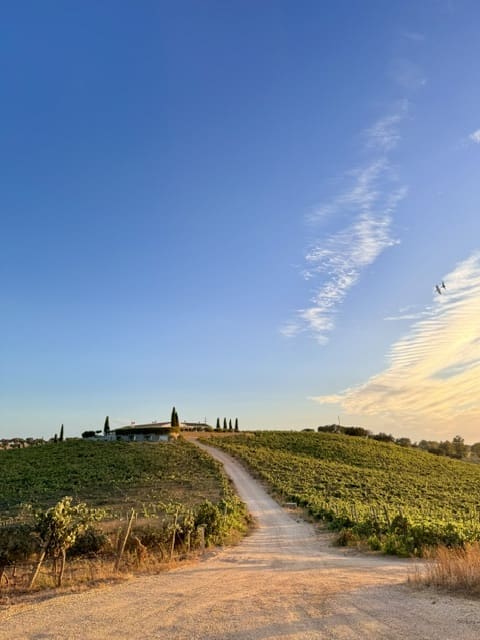
We stayed in Casa das Pedras and barely left the room, which is really the point. There’s a full activity menu on property, horseback riding, ATVs, wine tasting, a vineyard picnic, ceramics, and in our experience, the wine tasting is a must. Most guests spend their time simply at the pools or on their terraces, which is the right way to close out a trip like this one.
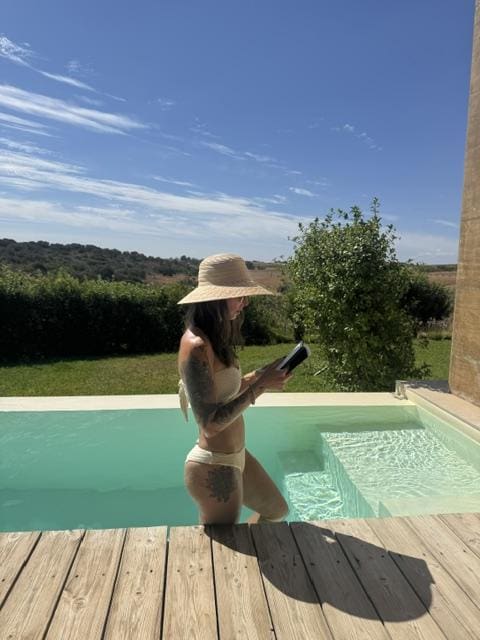
Dining is a highlight in its own right. Breakfast delivered to the room is worth requesting, and dinners is at the estate’s restaurant or set in the garden, with live music some evenings. Consistently strong, built almost entirely from ingredients grown on the property.
Worth knowing: this property is genuinely remote. It isn’t a base for day trips or outside exploring — it’s a destination in itself, best suited to travelers who want to fully unplug.
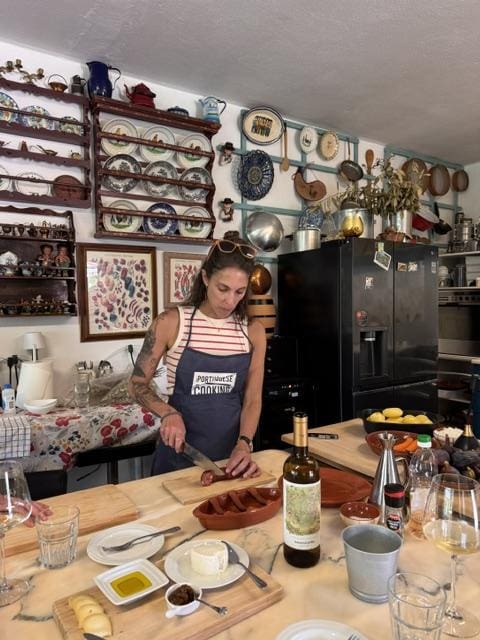
Before or after Alentejo, we’d suggest building in a day for Évora. We spent the day with a a guide and chef, and it became one of our favorite experiences of the trip. The highlight was a cooking class at our guide’s home with her son, which felt like an invitation into a Portuguese family’s kitchen rather than a typical tour. It works well as a day trip from Lisbon, and we’d recommend it without hesitation.
Ten days, three very different sides of Portugal, and nothing we’d change. We can’t wait to go back!


